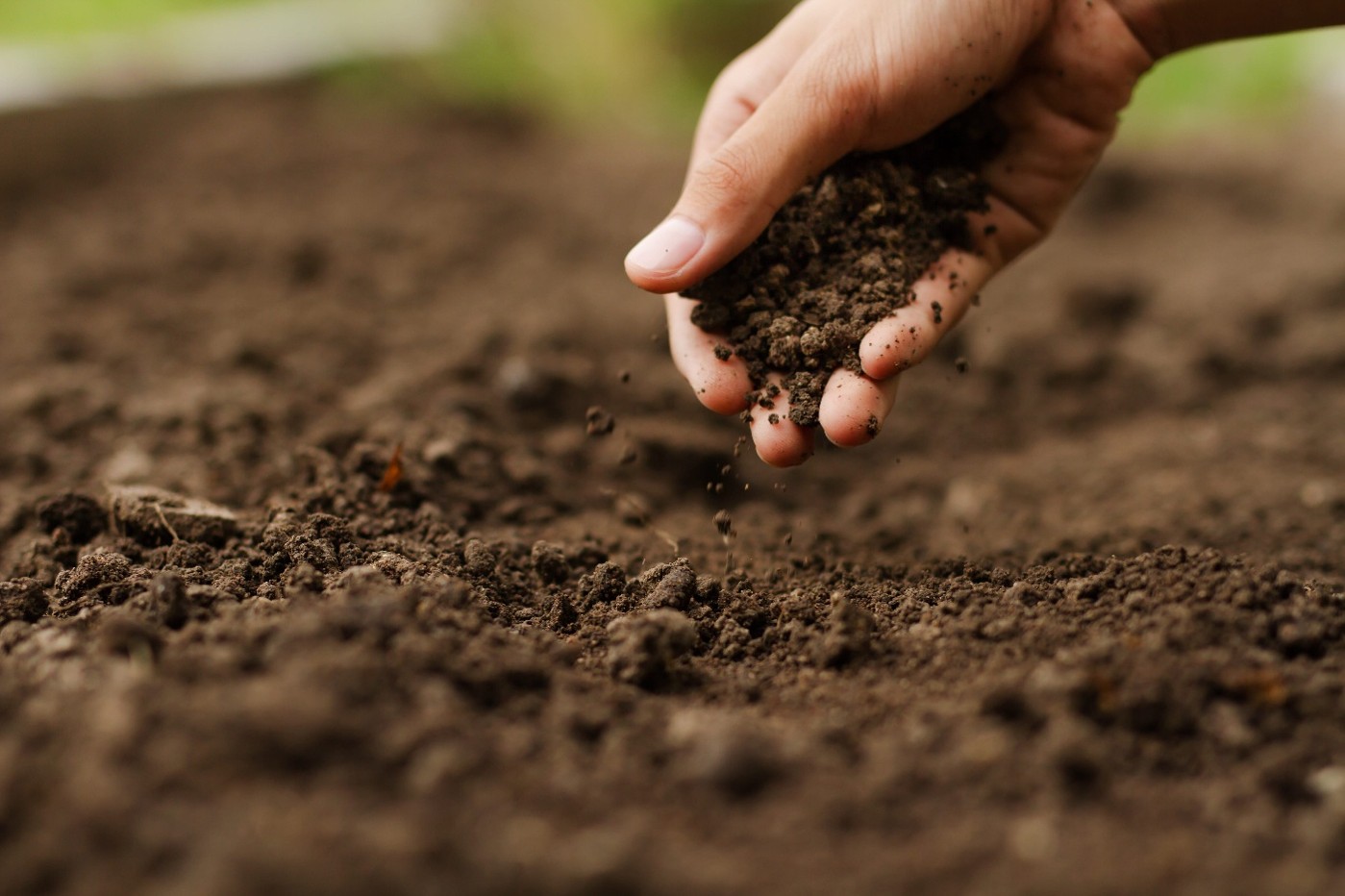
One of the most overlooked aspects of successful gardening is selecting the right soil. While sunlight, water, and fertilizer often receive the most attention, the growing medium beneath a plant plays an equally important role in its overall health. Soil provides structural support for roots while delivering water, oxygen, and nutrients that plants need to grow. Saralyn Wasserman explains how choosing the wrong type of soil can lead to poor drainage, root rot, nutrient deficiencies, or stunted growth, even if every other aspect of plant care is correct.
Different plants have evolved in vastly different environments. A cactus native to an arid desert has very different soil requirements than a tropical fern that naturally grows on a humid forest floor. Likewise, orchids, herbs, vegetables, and flowering houseplants each perform best in growing media specifically designed to meet their unique needs.
Understanding how various potting mixes differ can help gardeners create healthier growing conditions and improve the long-term success of both indoor and outdoor plants.
Why Soil Matters
Healthy soil does much more than anchor a plant in place. An ideal growing medium balances several important functions at once. It holds enough moisture to keep roots hydrated while allowing excess water to drain away. At the same time, it contains air pockets that provide oxygen to roots, helping prevent suffocation and disease. Good soil also supplies or retains nutrients while supporting beneficial microorganisms that contribute to overall plant health.[1]
Container gardeners should remember that potting mix and garden soil are not the same thing. Garden soil is often too dense for containers, where it can become compacted and restrict drainage. Potting mixes are specially formulated to remain light, airy, and well-draining, making them better suited for potted plants.[2]
Understanding the Components of Potting Mix
Many commercial potting mixes contain a blend of ingredients that work together to support plant growth. While recipes vary by manufacturer, several components are commonly found in quality mixes.
Peat moss and coconut coir helps retain moisture while remaining relatively lightweight. Perlite, a white volcanic mineral, improves aeration and drainage by creating air spaces within the soil. Vermiculite holds both moisture and nutrients, making it beneficial for plants that prefer consistently moist conditions. Compost and other organic materials contribute nutrients and improve soil structure, while coarse sand is often added to mixes designed for succulents and cacti to improve drainage.[3] Understanding these ingredients makes it easier to select or create the right mix for different types of plants.
Soil for Succulents
Succulents store water in their leaves, stems, or roots, allowing them to survive long periods without rainfall. Because of this adaptation, they are especially vulnerable to excessive moisture around their roots. A quality succulent mix should drain quickly and dry relatively fast between waterings. Most commercial succulent soils contain higher amounts of coarse sand, pumice, or perlite to improve drainage and reduce water retention.
Heavy, moisture-rich soils should generally be avoided, as they can increase the likelihood of root rotting. When growing succulents in pots, containers with drainage holes are just as important as the soil itself.
Soil for Cacti
Although cacti are technically succulents, many species benefit from even faster drainage. Native desert soils are often sandy, rocky, and low in organic matter. Replicating these conditions helps maintain healthy root systems.
Commercial cactus mixes typically contain:
- Coarse sand
- Perlite or pumice
- Small gravel
- Limited organic material
The goal is to allow water to move through the container rapidly while providing enough structure for root development. Because cacti are adapted to dry conditions, they generally perform poorly in standard houseplant potting mixes that retain moisture for extended periods.[4]
Soil for Tropical Houseplants
Unlike succulents, tropical plants evolved in warm, humid forests where organic matter continually decomposes into rich, well-aerated soil. Plants such as monsteras, philodendrons, pothos, peace lilies, and many ferns prefer soil that retains consistent moisture without becoming waterlogged.
A quality tropical plant mix often contains peat moss or coconut coir for moisture retention, compost or bark for organic matter, and perlite to improve drainage. The goal is to create a growing medium that remains evenly moist while still providing sufficient airflow around the roots. This balance supports healthy growth and reduces the risk of fungal diseases.
Soil for Orchids
Orchids represent one of the biggest exceptions to traditional potting soil. Many popular orchids, including Phalaenopsis varieties, are epiphytes, meaning they naturally grow attached to trees rather than rooted in soil.[5] Their exposed roots receive moisture and nutrients from rainfall, humidity, and decomposing organic material. As a result, orchids require specialized growing media that provide exceptional airflow.
Rather than traditional potting mix, orchid media commonly include:
- Fir bark
- Coconut husk chips
- Charcoal
- Perlite
- Sphagnum moss
These materials allow roots to dry appropriately while maintaining adequate humidity.
Using standard potting soil for orchids often leads to root suffocation and decline.
Soil for Herbs
Many culinary herbs are surprisingly adaptable, but most prefer well-drained soil that does not remain constantly wet. Mediterranean herbs such as rosemary, thyme, oregano, and sage naturally grow in relatively lean, well-drained soils. Basil, parsley, and cilantro tolerate slightly more moisture but still benefit from good drainage.
A quality container potting mix amended with additional perlite often provides an excellent balance for most herbs. Proper drainage encourages stronger root systems and helps prevent fungal diseases that frequently develop in overly wet conditions.
Soil for Vegetables
Vegetables are among the heaviest nutrient users in the garden. Unlike ornamental houseplants, many vegetables grow rapidly and produce flowers, fruits, &/or edible foliage over relatively short periods. These demands require fertile, moisture-retentive soil that also drains efficiently. Container vegetable mixes typically contain compost or other organic materials that provide nutrients while maintaining soil structure.[6]
Good vegetable potting mixes should:
- Retain consistent moisture
- Drain excess water effectively
- Support vigorous root growth
- Provide adequate organic matter
Regular fertilization is often necessary because nutrients gradually become depleted throughout the growing season.
Should You Make Your Own Potting Mix?
Many experienced gardeners choose to create custom soil blends tailored to specific plant groups as homemade mixes allow greater control over drainage, moisture retention, and cost.
For example:
- Succulent mix may combine potting soil, coarse sand, and perlite.
- Tropical plant mix may include potting soil, orchid bark, coconut coir, and perlite.
- Vegetable mix may incorporate compost with high-quality potting mix.
While homemade recipes can work well, beginners often achieve excellent results using commercially prepared mixes formulated for their intended plants.
Recognizing When Soil Needs to Be Replaced
Potting mix does not last forever. Over time, organic materials break down, causing soil to become more compacted. As this happens, drainage decreases and root health may suffer.
Signs that potting mix should be refreshed include:
- Water remaining on the soil surface
- Poor drainage
- Stunted growth
- Roots circling tightly inside the container
- Soil shrinking away from the edges of the pot
Most houseplants benefit from fresh potting mix every one to three years, depending on their growth rate and container size.[7]
Matching Soil to the Plant
One of the simplest ways to improve plant health is by matching the growing medium to the plant’s natural habitat. Desert plants generally require fast-draining soils that dry quickly. Tropical plants thrive in richer mixes that retain consistent moisture while remaining well aerated. Orchids require bark-based media that mimic tree branches, while vegetables perform best in fertile, nutrient-rich mixes capable of supporting rapid growth. Rather than viewing potting soil as a one-size-fits-all product, gardeners should think of it as an essential tool that can be customized to meet the needs of individual plant groups.
Choosing the right soil is one of the most effective ways to support healthy, thriving plants. Whether growing succulents on a sunny windowsill, cultivating herbs on a patio, caring for tropical houseplants indoors, or harvesting vegetables from containers, selecting an appropriate potting mix creates the foundation for long-term success.
By understanding how different plants naturally grow naturally and choosing soil that reflects those conditions, gardeners can improve drainage, encourage stronger root development, reduce disease, and help plants reach their full potential. Combined with proper watering, lighting, and fertilization, the right soil provides a solid foundation for healthy gardens in virtually any setting.
[1] University of Minnesota Extension. Soil Basics for Gardeners. https://extension.umn.edu/soil-and-water/understanding-your-soil
[2] University of Illinois Extension. Potting Mixes and Container Gardening. https://extension.illinois.edu
[3] University of Maryland Extension. Container Gardening: Choosing Potting Media. https://extension.umd.edu/resource/container-gardening/
[4] University of Arizona Cooperative Extension. Growing Cacti and Succulents. https://extension.arizona.edu/
[5] American Orchid Society. Understanding Orchid Roots and Potting Media. https://www.aos.org/orchid-care/orchid-care-basics
[6] University of Florida Institute of Food and Agricultural Sciences (UF/IFAS). Growing Vegetables in Containers. https://gardeningsolutions.ifas.ufl.edu/plants/edibles/vegetables/growing-vegetables-in-containers/
[7] Royal Horticultural Society. Repotting Houseplants. https://www.rhs.org.uk/houseplants/repotting-houseplants