Starting a garden does not require a shed filled with expensive equipment. Although garden centers offer tools for nearly every imaginable task, beginners can accomplish most routine jobs with a relatively small collection of versatile basics. In fact, buying too many specialized tools before understanding what your garden requires can lead to unnecessary expense and clutter.
The right collection depends on what you plan to grow. Someone maintaining a few containers on a patio has very different needs from a gardener establishing vegetable beds or caring for a large landscape. Instead of trying to assemble a complete gardening toolkit immediately, beginners can focus on tools that solve common problems: digging, planting, pruning, watering, weeding, and moving materials.
Saralyn Wasserman shares some of the most useful tools to consider when getting started.
Gardening Gloves
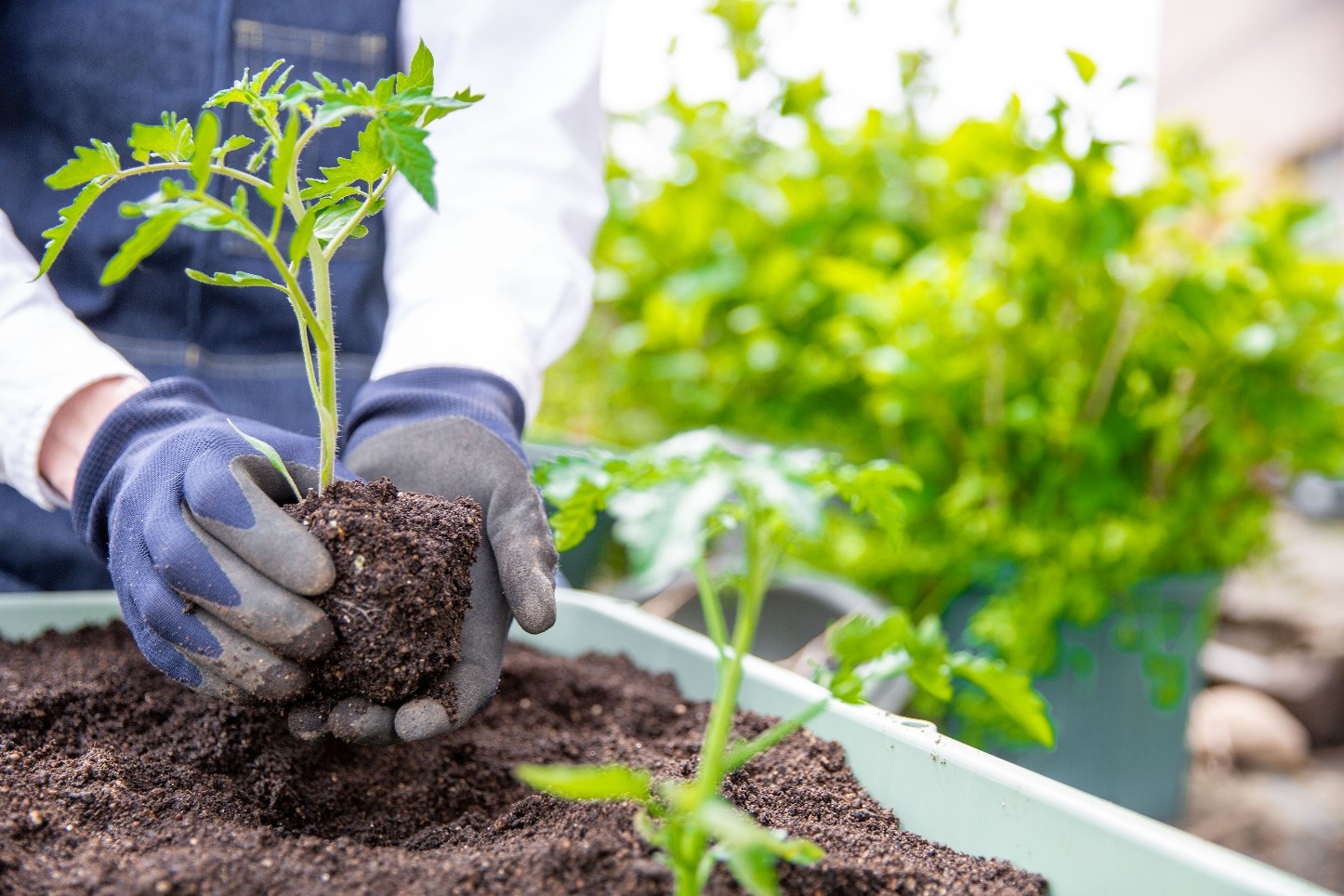
Gardening gloves may not technically be a tool, but they are one of the first items worth adding to a beginner’s collection. Gardening involves regular contact with soil, rough plant material, mulch, branches, and other materials that can be uncomfortable or abrasive.
A basic pair of gloves helps protect the hands while pulling weeds, digging, spreading mulch, or handling plants. Gardeners working around thorny plants may eventually want heavier-duty gloves, while lightweight gloves can offer greater flexibility for delicate planting tasks. Beginners generally do not need several specialized pairs. A comfortable, durable pair suitable for everyday work is enough to get started.
Hand Trowel
A hand trowel is among the most versatile tools in a garden. Essentially a small handheld shovel, it is useful for digging holes, transplanting seedlings, moving potting mix, planting bulbs, and working with soil in containers or raised beds.
For gardeners primarily growing plants in pots, a hand trowel may handle most of the digging they need to do. Look for a sturdy tool with a comfortable handle. Gardening often involves working in dense or compacted soil, so durability is important. A well-constructed trowel can remain useful long after a beginner’s garden has expanded.
Hand Pruners
Plants inevitably produce growth that needs attention. Branches can become damaged, stems may need to be removed, and shrubs may require occasional shaping. A pair of hand pruners allows gardeners to make controlled cuts instead of attempting to tear or break plant material by hand.
Bypass pruners are a common choice for general gardening. Their blades move past one another in a scissor-like motion. The University of Maryland Extension notes that bypass pruners tend to reduce tearing and crushing compared to anvil-style pruners. It also emphasizes the importance of keeping pruning tools sharp because sharp equipment produces cleaner cuts.[1]
Hand pruners should only be used on branches within the tool’s intended capacity. Attempting to force them through material that is too thick can damage both the tool and the plant. Larger branches may require loppers or a pruning saw. For a beginner, however, one good pair of hand pruners can handle many routine garden tasks.
Shovel or Spade
Gardeners working in traditional in-ground beds will probably want a full-sized digging tool. Shovels are useful for digging holes and moving materials such as soil and compost. Garden spades typically have flatter blades and are useful for cutting into soil, creating edges, and performing other tasks that require a relatively straight cut.
Beginners do not necessarily need both.
Someone establishing flower beds or planting shrubs may get considerable use from a shovel, while a gardener maintaining a few containers on a balcony may have almost no reason to own one. This is a useful principle for purchasing gardening equipment generally: buy tools according to the work that regularly needs to be performed rather than a generic list of what gardeners are “supposed” to own.
Garden Rake
For gardeners preparing larger areas of soil, a garden rake can be extremely helpful. Unlike a lightweight leaf rake, a garden rake generally has short, rigid tines designed to work through soil. It can help break apart small clumps, level the surface of a garden bed, distribute materials, and prepare soil for planting.
A leaf rake serves a different purpose. Its longer, flexible tines make it useful for gathering fallen leaves, grass clippings, and other lightweight debris. Determining which one belongs in a beginner’s collection depends on the property. Someone establishing an in-ground vegetable garden may find a garden rake invaluable, while a person tending several patio containers may never need one.
Watering Can or Garden Hose
Every gardener needs a practical way to provide water. For houseplants, patio containers, and small gardens, watering can may be sufficient. It allows water to be directed precisely around individual plants without requiring additional equipment.
A garden hose is generally more convenient for larger spaces. Adding a nozzle or watering wand, or sprinkler can provide greater control over where and how water is applied.
The equipment itself, however, is only part of good watering practice. The U.S. Environmental Protection Agency’s (EPA) WaterSense program advises that landscape watering needs can vary according to location, recent weather, and the types of plants being grown, and it recommends adjusting irrigation practices according to seasonal conditions rather than relying on an unchanged schedule throughout the year.[2]
In other words, owning a hose does not mean turning it on every day. Learning when plants need water is a much more valuable gardening skill.
Hand Weeder or Cultivator
Weeds are a routine part of gardening. While small weeds can often be pulled by hand, specialized hand tools can make the job easier. A hand weeder is designed to help remove unwanted plants, particularly those with roots that are difficult to pull completely from the soil. A hand cultivator usually has several prongs and can be used to loosen the soil surface and work around established plants.
Neither is mandatory for every beginner. If you maintain a small garden and don’t mind pulling occasional weeds by hand, you may not need another tool. For a larger garden where weeds are a recurring problem, however, a basic weeding tool can save considerable effort.
Bucket, Tub, or Wheelbarrow
Gardening involves moving more material than beginners might expect. There are weeds to collect, soil to transport, tools to carry, and eventually flowers, herbs, fruits, or vegetables to harvest. A basic bucket can handle many of these jobs.
For larger properties, a garden cart or wheelbarrow may eventually be a worthwhile investment, particularly when moving bags of soil, compost, mulch, or larger plants. Beginners maintaining a modest garden can often start with an ordinary bucket or garden tub and upgrade only when carrying materials becomes inconvenient.
Kneeling Pad
Gardening involves spending considerable time close to the ground. Planting, weeding, pruning small plants, and inspecting foliage can all require kneeling or bending for extended periods. A simple kneeling pad can make these jobs considerably more comfortable.
Garden kneelers and small gardening seats are additional options for those who want greater support. A kneeling pad won’t make plants grow better, but tools that make gardening more comfortable can make it easier to maintain a consistent routine.
An Irrigation System May Not Be Necessary
Beginners sometimes assume that a serious garden requires an automated watering system. For many small gardens, a watering can or hose is perfectly adequate. As a garden becomes larger, more sophisticated irrigation may become useful. The EPA notes that micro-irrigation delivers water slowly and directly to plant root zones and can reduce runoff and evaporation compared with conventional sprinklers.[3] Soil-moisture-based irrigation controllers can go a step further by using measurements from the soil to prevent watering when it isn’t needed.[4]
These technologies can be valuable and are examples of equipment that gardeners may consider as their needs become more complex. They are not, however, prerequisites for planting a first garden.
Tool Maintenance is Important
Buying fewer tools becomes more practical when they are properly maintained. After gardening, remove soil and debris before storing equipment. Cutting tools such as pruners should be kept sharp. The University of Maryland Extension recommends disinfecting pruning equipment when there is a risk of transferring infection from a diseased plant to another plant.
Tools should also be stored in a location that is reasonably protected from weather and prolonged moisture. A small amount of routine care can extend their useful life and make them more effective the next time they are needed.
Understand Soil Before Purchasing More Equipment
If digging seems unusually difficult, purchasing another tool isn’t always the solution. Soil conditions can have a major influence on how easy a garden is to maintain.
Compacted soil, for example, can interfere with water infiltration. The EPA recommends periodically aerating compacted areas and notes that healthy soil can improve water infiltration and support plant growth.[5]
Understanding the conditions in your garden can therefore be more useful than continually purchasing new equipment. Sometimes improving the soil or changing a gardening technique solves a problem more effectively than adding another gadget to the collection.
Start Small and Add Tools as Needed
There is no single collection of tools that every gardener must own. For many beginners, gardening gloves, a hand trowel, hand pruners, and a watering can or hose provide an excellent foundation. Those maintaining in-ground beds can add a shovel and rake, while a weeding tool, wheelbarrow, kneeling pad, or irrigation equipment can be purchased later if genuine need develops.
Gardening knowledge is ultimately more valuable than an extensive collection of equipment. Paying attention to soil conditions, plant growth, watering requirements, seasonal changes, and maintenance needs will do more for a garden than owning dozens of specialized tools. By starting with the essentials and learning what a garden needs, a tool collection will develop naturally over time.
Footnotes
- University of Maryland Extension, “Pruning Tools.” Covers hand pruners, loppers, proper tool selection, sharpening, and sanitation. https://www.extension.umd.edu/resource/pruning-tools/
- U.S. Environmental Protection Agency, WaterSense, “Watering Tips.” Provides guidance on plant water requirements, watering frequency, seasonal adjustments, and efficient irrigation. https://www.epa.gov/watersense/watering-tips?
- U.S. Environmental Protection Agency, WaterSense, “Microirrigation.” Explains how microirrigation delivers water directly and slowly to plant root zones. https://www.epa.gov/watersense/microirrigation
- U.S. Environmental Protection Agency, WaterSense, “Soil Moisture-Based Irrigation Controllers.” Explains how soil-moisture sensors can tailor irrigation according to moisture conditions. https://www.epa.gov/watersense/soil-moisture-based-irrigation-controllers
- U.S. Environmental Protection Agency, WaterSense, “Home Maintenance.” Discusses soil management, aeration, water infiltration, irrigation, and landscape maintenance. https://www.epa.gov/watersense/home-maintenance
[1]University of Maryland Extension, “Pruning Tools.” Covers hand pruners, loppers, proper tool selection, sharpening, and sanitation. https://www.extension.umd.edu/resource/pruning-tools/
[2]U.S. Environmental Protection Agency, WaterSense, “Watering Tips.” Provides guidance on plant water requirements, watering frequency, seasonal adjustments, and efficient irrigation. https://www.epa.gov/watersense/watering-tips
[3]U.S. Environmental Protection Agency, WaterSense, “Microirrigation.” Explains how microirrigation delivers water directly and slowly to plant root zones. https://www.epa.gov/watersense/microirrigation
[4]U.S. Environmental Protection Agency, WaterSense, “Soil Moisture-Based Irrigation Controllers.” Explains how soil-moisture sensors can tailor irrigation according to moisture conditions. https://www.epa.gov/watersense/soil-moisture-based-irrigation-controllers
[5] U.S. Environmental Protection Agency, WaterSense, “Home Maintenance.” Discusses soil management, aeration, water infiltration, irrigation, and landscape maintenance. https://www.epa.gov/watersense/home-maintenance