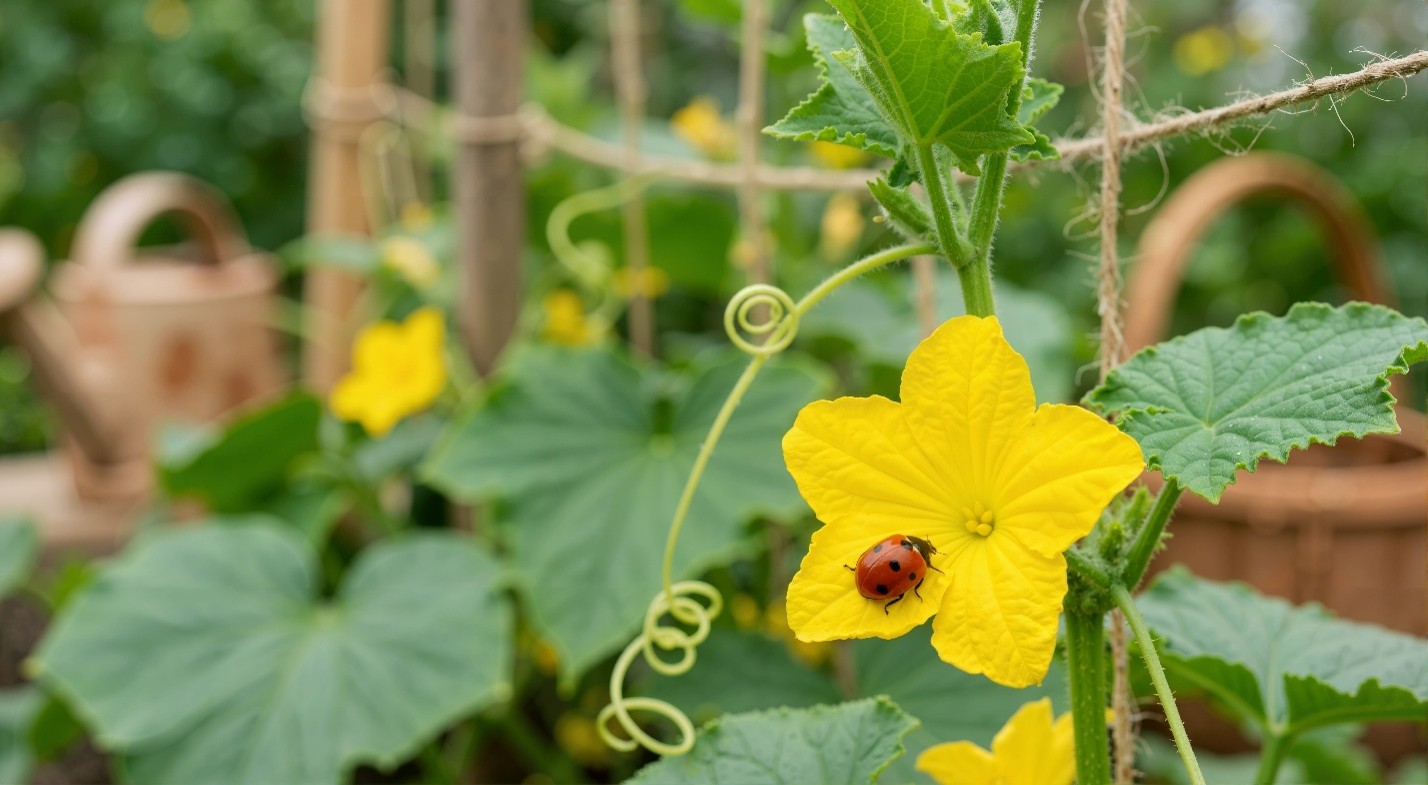
A healthy garden is more than a collection of attractive flowers, thriving vegetables, and carefully maintained landscaping. Saralyn Wasserman explains that it is also a living ecosystem where insects, plants, and other organisms interact in ways that support natural balance. Although insects are frequently associated with damaged leaves and unwanted infestations, many species play valuable roles in maintaining healthy gardens. Ladybugs, lacewings, ground beetles, and numerous other beneficial insects help control pest populations, support pollination, and contribute to the natural processes that keep outdoor environments productive.
Creating a garden that welcomes beneficial insects can reduce reliance on chemical pesticides while encouraging biodiversity. Rather than attempting to eliminate every insect, gardeners can focus on developing conditions that support helpful species and allow natural pest control to occur. Plant diversity, suitable shelter, seasonal food sources, and thoughtful maintenance practices all contribute to an environment where beneficial insects can thrive. Understanding the roles these insects play and how to attract them can help gardeners develop healthier, more resilient outdoor spaces.
Understanding the Role of Beneficial Insects
Beneficial insects are species that provide valuable services within gardens and natural ecosystems. Some are predators that feed on insects considered harmful to plants, while others act as parasitoids, developing in or on host insects and eventually killing them. Pollinating insects help flowering plants reproduce by transferring pollen between blossoms. Certain insects also contribute to decomposition and nutrient cycling by breaking down organic materials. According to the University of Florida Institute of Food and Agricultural Sciences, beneficial insects support garden health through natural pest management, pollination, and the recycling of nutrients. Their presence can reduce the need for pesticide applications while contributing to a more balanced landscape.[1]
Not every insect found in a garden poses a threat to plant health. In fact, many species are harmless or beneficial, even when their appearance is unfamiliar. Learning to distinguish between pests and helpful insects is an important part of responsible gardening. A caterpillar feeding on a vegetable leaf may require attention, while a predatory beetle moving through the soil could be helping control unwanted insects. By observing insect activity before taking action, gardeners can avoid unnecessarily disrupting the natural relationships that support plant health.
How Ladybugs Help Control Garden Pests
Ladybugs, also known as lady beetles, are among the most recognizable beneficial insects. Although they are commonly associated with bright red bodies and black spots, different species may appear orange, yellow, black, or patterned in other ways. Many lady beetles are effective predators of soft-bodied insects, including aphids, mealybugs, scale insects, and certain mites. Aphids are particularly common garden pests because they feed on plant sap and can reproduce rapidly under favorable conditions. Lady beetles help limit these populations by consuming pests during both their adult and larval stages. The University of Florida IFAS Extension explains that encouraging existing lady beetle populations is often more effective than purchasing insects for release, since commercially released beetles may simply fly away.[2][SW1]
Lady beetle larvae are especially important to recognize because they look considerably different from adults. Many have elongated, dark bodies with spines or colorful markings, making them easy to mistake for harmful insects. Gardeners unfamiliar with their appearance may accidentally remove them while inspecting plants. Allowing these larvae to remain undisturbed gives them an opportunity to feed on pests before developing into adults. Planting flowers that provide nectar and pollen can also support lady beetles when prey is less abundant, helping maintain their presence throughout the growing season[SW2] .
The Importance of Lacewings in Natural Pest Control
Lacewings are another valuable group of beneficial insects commonly found in gardens. Adult green lacewings are recognizable by their delicate, transparent wings and slender green bodies. Although some adults feed primarily on nectar, pollen, or honeydew, their larvae are particularly effective predators. Lacewing larvae possess specialized mouthparts that allow them to capture and consume soft-bodied insects. Their preferred prey often includes aphids, whiteflies, mealybugs, thrips, and insect eggs. Colorado State University Extension identifies lacewings as important natural enemies of several common garden pests and notes that their presence can help reduce the need for insecticides.[3]
Encouraging lacewings involves providing suitable food sources and protecting their different life stages. Adult lacewings may visit flowering plants for nectar and pollen, while females often deposit eggs near colonies of prey insects. Green lacewing eggs are distinctive because they are commonly attached to foliage by slender stalks. Gardeners[SW3] who recognize these structures can avoid removing them during routine maintenance. Maintaining a variety of flowering plants and reducing unnecessary pesticide applications can help support lacewing populations. These practices also benefit other predatory insects that depend on similar resources.
Why Ground Beetles Are Valuable Garden Residents
Ground beetles are less noticeable than ladybugs or lacewings because many species spend much of their time moving through soil, mulch, and vegetation near the ground. These beetles are often dark-colored, relatively fast-moving, and active during nighttime hours. Many species feed on insects, insect eggs, caterpillars, slugs, and other small organisms that may damage garden plants. Some also consume weed seeds, providing an additional ecological benefit. Oregon State University Extension explains that ground beetles benefit from gardens containing tall grasses, organic debris, and areas where they can shelter from predators and environmental stress.[4]
Creating suitable habitat for ground beetles does not require elaborate structures or specialized equipment. Gardeners can leave small areas of undisturbed vegetation, maintain appropriate mulch layers, and avoid unnecessary soil disturbance. Stones, logs, and dense ground-level plants can also provide shelter for certain species. Because ground beetles spend considerable time near or beneath the soil surface, frequent tilling and excessive pesticide applications may disrupt their populations. Allowing some natural ground cover to remain can encourage these predators while contributing to a more diverse garden environment.
Other Helpful Insects Worth Encouraging
Ladybugs, lacewings, and ground beetles are only a few examples of insects that contribute to natural pest management. Hoverflies, also called syrphid flies, are particularly interesting because adults often resemble small bees or wasps. Many adult hoverflies visit flowers for nectar and pollen, while the larvae of certain species feed on aphids and other soft-bodied insects. Parasitic wasps are another important group of beneficial insects. Many are extremely small and rarely noticed by gardeners, but they can help control pest populations by laying eggs in or on host insects. Washington State University Extension identifies hoverflies, predatory beetles, lacewings, and parasitic wasps among the beneficial organisms that support healthier garden ecosystems.[5]
Other useful predators include minute pirate bugs, big-eyed bugs, damsel bugs, and certain assassin bugs. These insects may consume pest eggs, mites, caterpillars, and other small organisms. However, not all predatory insects feed exclusively on garden pests. Praying mantises, for example, are generalist predators that may consume beneficial insects as well as harmful species. This illustrates why supporting a diverse insect community is generally more effective than relying on a single predator. Differing beneficial species contribute to pest control in different ways, helping to maintain a more balanced ecosystem.
How Plant Diversity Attracts Beneficial Insects
Plant diversity is one of the most important factors in creating a garden that supports beneficial insects. A landscape containing only a few plant species may provide limited food and shelter, while a varied collection of flowers, herbs, shrubs, and grasses can support a wider range of organisms. Differing insects have different feeding habits, and the shape of a flower can influence which species can access its nectar and pollen. Cornell Integrated Pest Management recommends selecting plants with varied flower shapes and bloom periods to accommodate insects with different mouthparts and feeding preferences.[6]
Gardeners can incorporate diversity by combining flowering annuals, perennials, herbs, and suitable native plants. Flowers such as yarrow, goldenrod, asters, and coneflowers may attract different beneficial species, depending on the region. Herbs including dill, cilantro, and parsley can also provide resources when allowed to flower. Planting a combination of low-growing flowers, medium-height perennials, and taller shrubs creates additional habitat complexity. This variety gives insects more opportunities to find food, reproduce, and shelter within the garden.
Choosing Native Plants for Beneficial Insect Habitat
Native plants can be especially valuable because they have previously-developed ecological relationships with insects and other wildlife in their surrounding regions. Many native insects depend on particular plants for food, reproduction, or shelter. Incorporating locally appropriate native flowers and shrubs can therefore help support beneficial insect populations while creating a garden suited to regional growing conditions. The University of Georgia Cooperative Extension explains that selecting insect-attracting plants and maintaining suitable habitat can increase beneficial insect activity, support pollination, and contribute to natural biological pest control.[7]
Gardeners should recognize that not every native plant supports the same insects, and plant selection should reflect local environmental conditions. A species that performs well in one region may struggle in another because of differences in temperature, rainfall, soil, or sunlight.
Local university extension offices and native plant organizations can provide guidance on suitable varieties. Choosing a combination of native plants with different flowering periods can also help maintain food availability across multiple seasons. Whenever possible, gardeners should avoid invasive species that may spread aggressively and displace desirable vegetation.
Providing Flowers Throughout the Growing Season
Attracting beneficial insects requires maintaining dependable food sources, and many species depend on flowers during at least one stage of their life cycle. Adult lacewings, hoverflies, lady beetles, and parasitic wasps may visit blossoms for nectar or pollen, even when their larvae feed primarily on other insects. If a garden produces flowers only during a brief period, beneficial insects may have difficulty finding sufficient resources during the remainder of the season. Cornell Integrated Pest Management recommends selecting plants that bloom at different times, creating a more continuous supply of nectar and pollen from spring through fall.[8]
Planning for seasonal blooms also contributes to the appearance of a garden. Early-flowering plants can provide color as temperatures begin warming, while summer and autumn bloomers extend visual interest later into the year. Gardeners can research the flowering schedules of different species and arrange them so that several plants are blooming at any given time. Allowing certain herbs to flower rather than harvesting them continuously can provide additional resources. This approach helps create a garden that remains attractive while supporting beneficial insects through changing seasonal conditions.
Creating Shelter and Overwintering Habitat
Food availability is only one part of supporting beneficial insects. Many species also require protected locations for resting, reproduction, and over-wintering. Depending on the insect, suitable shelter may include fallen leaves, hollow plant stems, clumps of grass, loose soil, or spaces beneath logs and stones. Some beneficial insects spend winter as adults, while others survive as eggs, larvae, or pupae. Removing every fallen leaf and cutting back all vegetation immediately at the end of the growing season can eliminate important habitat. The University of Florida IFAS Extension recommends retaining some leaf litter, dried stems, and other natural materials to provide shelter for insects and other wildlife during colder months.[9]
Gardeners do not need to abandon routine maintenance to create insect-friendly spaces. Instead, they can designate selected areas where natural materials remain undisturbed while grooming pathways and frequently used spaces. Leaving healthy perennial stems standing throughout the winter may provide shelter for certain insects, while fallen leaves can serve as protective ground cover for others. Small brush piles and patches of native grasses can also create useful habitat. These features should be positioned thoughtfully to avoid interfering with drainage, creating safety hazards, or encouraging unwanted moisture problems near buildings.3 insects than highly uniform landscapes.[10]
Long-term success depends on maintaining healthy plants and avoiding practices that unnecessarily disrupt the garden ecosystem. Appropriate watering, soil management, plant spacing, and selective pruning can support vigorous growth while preserving habitat. Gardeners may find that some areas benefit from additional flowering plants, while others provide valuable ground-level shelter. Over time, these adjustments can create a more established environment where beneficial insects return naturally and contribute to garden health.
Building a Healthier Garden Through Natural Balance
Beneficial insects are important partners in maintaining healthy gardens. Ladybugs and lacewings help control soft-bodied pests, ground beetles prey on organisms near the soil surface, and numerous other insects contribute to pollination and natural pest management. Their presence reflects the complex symbiotic relationships that exist between plants, insects, and the surrounding environment. Rather than viewing every insect as a potential problem, gardeners can recognize the value of supporting a diverse community of organisms.
Creating a garden that welcomes beneficial insects does not require extensive renovations or complicated maintenance practices. Planting a variety of flowers, choosing suitable native species, providing shelter, and reducing unnecessary pesticide use can all make a meaningful difference. By understanding the needs of beneficial insects and allowing natural processes to contribute to pest management, gardeners can develop outdoor spaces that are attractive, productive, and environmentally responsible. These practices support healthier plants while helping maintain the biodiversity that makes gardens vibrant and resilient.
[1] University of Florida IFAS Extension. Beneficial Insects. https://gardeningsolutions.ifas.ufl.edu/care/florida-friendly/beneficial-insects/
[2] University of Florida IFAS Extension. Ladybugs in Florida. https://sfyl.ifas.ufl.edu/lawn-and-garden/ladybugs-in-florida/
[3] Colorado State University Extension. Beneficial Insects and Other Arthropods. https://extension.colostate.edu/resource/beneficial-insects-and-other-arthropods/
[4] Oregon State University Extension Service. Encouraging Beneficial Insects in the Garden. https://extension.oregonstate.edu/catalog/pnw-550-encouraging-beneficial-insects-garden
[5] Washington State University Extension. Beneficial Insects, Spiders, and Mites in Your Garden: Who They Are and How to Get Them to Stay. https://pubs.extension.wsu.edu/product/beneficial-insects-spiders-and-mites-in-your-garden-who-they-are-and-how-to-get-them-to-stay-home-garden-series/
[6] Cornell Integrated Pest Management. How to Create Habitat for Beneficial Insects. https://cals.cornell.edu/integrated-pest-management/eco-resilience/beneficial-insects/how-create-habitat-for-beneficial-insects
[7] University of Georgia Cooperative Extension. Eco-Friendly Garden: Attracting Pollinators, Beneficial Insects, and Other Natural Predators. https://extension.uga.edu/publications/detail.html?number=B1456
[8] Cornell Integrated Pest Management. Steps to Creating Habitat for Beneficial Insects.
[9] University of Florida IFAS Extension. Wildlife-Friendly Winter Garden. https://gardeningsolutions.ifas.ufl.edu/design/gardening-with-wildlife/wildlife-friendly-winter-garden/
[10] Oregon State University Extension Service. Encouraging Beneficial Insects in the Garden.